The Weirdest Places People Are Shopping Today
Social Commerce
Introduction
When most people think about online shopping, they picture a website, a shopping cart, and a checkout page. While those are still important, they're no longer the only places customers are making purchases. Today, people discover and buy products while watching videos, saving ideas, chatting with businesses, joining live streams, and even playing video games. As technology continues to change entertainment, community, and shopping, businesses have more opportunities than ever to reach customers in places that would have seemed impossible just a few years ago. Let's see five of the most unusual platforms that are changing how we sell online.
Roblox: Shopping Inside a Video Game
Roblox
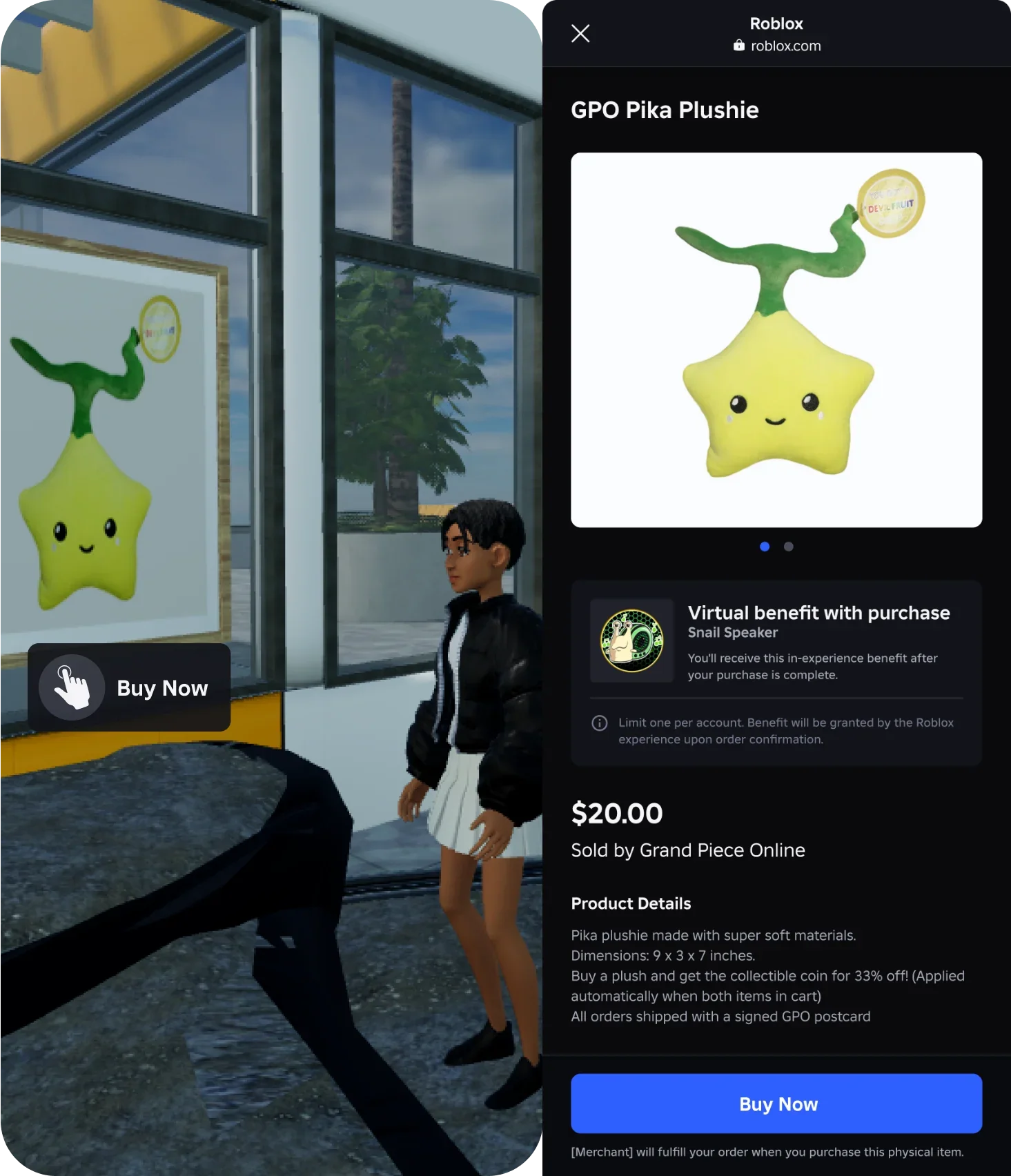
Roblox may seem like a game for kids and teenagers, but behind the scenes, it has become a massive platform where millions of people socialize, attend virtual events, and are increasingly interacting with brands. Thanks to Shopify's integration with Roblox, businesses can now sell physical products directly through experiences inside the game. Imagine a clothing brand launching a virtual fashion show, a bakery hiding collectibles around a custom world, or a business partnering with a Roblox creator to introduce their products to a whole new audience. Instead of waiting for customers to visit a website, brands can meet them where they are already spending their time. As younger generations continue to grow up in digital spaces, experiences like these are becoming less of a novelty and more of a glimpse into the future of online commerce. Amazingly, this means that the market has now been expanded to an audience that usually doesn’t have access to online shopping: children. Yes, kids can now purchase physical products directly with in game money (Robux) that their parents bought them.
Pinterest: The Search Engine Disguised as Social Media
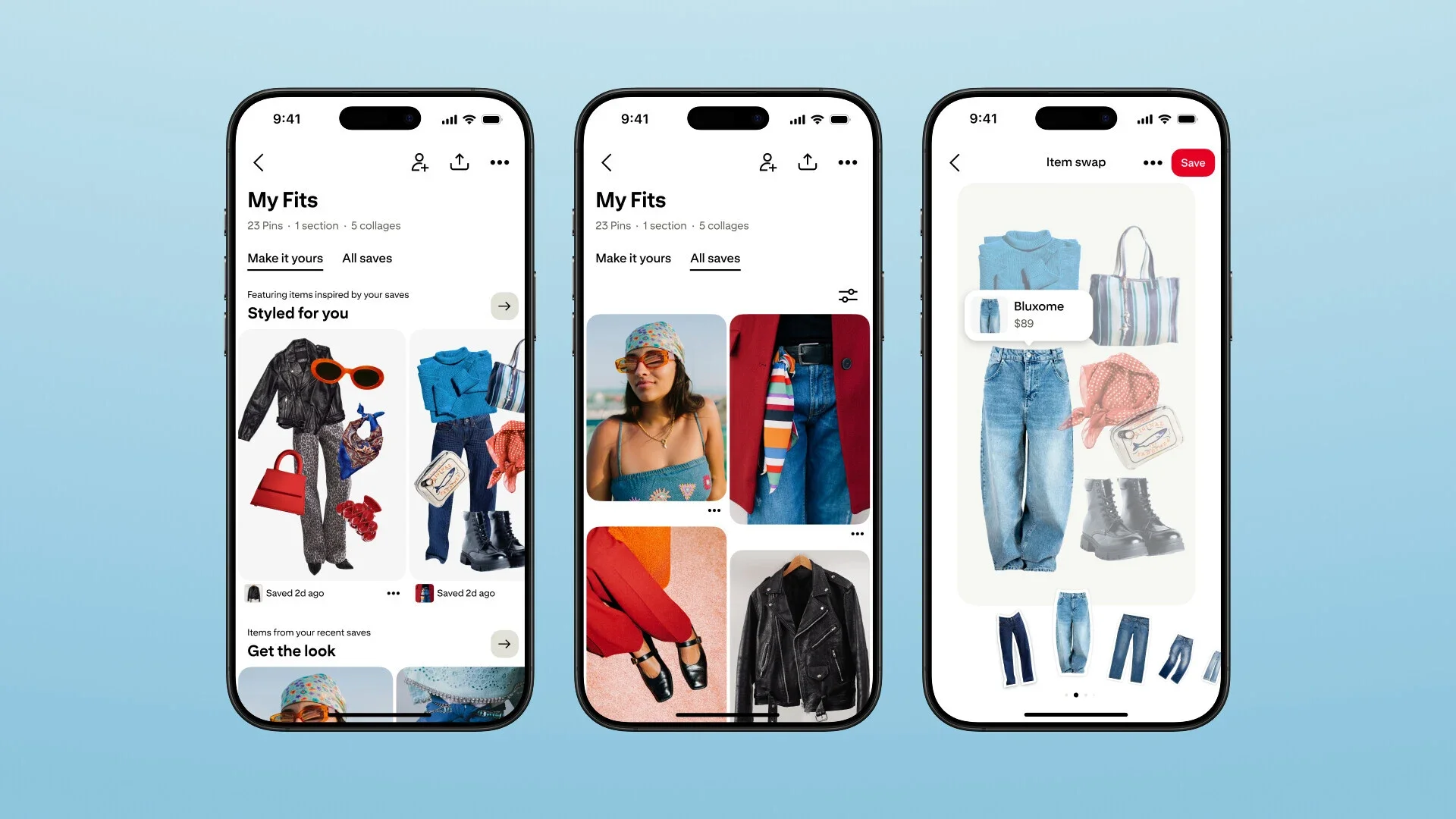
While many people think of Pinterest as another social media, it actually behaves more like a search engine. Users look for recipes, home decor, fashion, gifts, wedding ideas, and products they intend to purchase, making them much closer to buying than someone casually scrolling through a feed. Unlike many social posts that disappear after a day or two, a well designed Pin can continue driving visitors to your website for months or even years. For businesses, this creates an opportunity to build a library of content that consistently attracts new customers over time. With Shopify integration, beautiful product information, and visual discovery at its core, Pinterest has become one of the most underrated channels for businesses looking for long term traffic and sales.
Whatnot: Live Shopping Is Back
Whatnot x Shopify
Shopping has always been more fun when it feels like an event, and that is exactly what platforms like Whatnot are bringing back. Instead of browsing products, customers join live streams where they can chat with sellers, ask questions, watch demos, and bid on items. What started with collectibles and trading cards has grown into clothing, plants, handmade items, food, and countless other niches. For businesses, live shopping creates an experience that traditional online stores simply cannot copy. Every stream becomes an opportunity to find customers, build trust, showcase new products, and create the fun that turns curious viewers into real buyers.
WhatsApp Business: Conversations Become Sales
WhatsApp Shopping
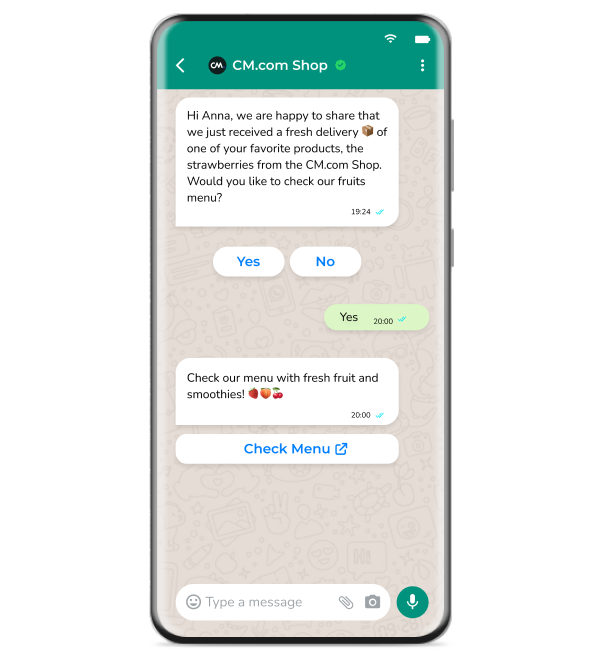
For many customers, making a purchase starts with a question. WhatsApp Business transforms those conversations into a complete shopping experience by allowing businesses to show product catalogs, send photos and videos, share payment links, and provide support all from a favorite messaging app. Instead of filling out contact forms or waiting for email replies, customers receive answers that help them make confident buying decisions, immediately. While it has become a powerful sales channel in many parts of the world, businesses in the U.S. are starting to recognize its potential as well. For companies that value personal service and strong customer relationships, a conversation can often be the shortest path to a sale.
AI Shopping Assistants: The Next Storefront
The next major shift in e commerce may not be another social platform at all. Instead, it could be a conversation with an AI assistant. More people are beginning to ask AI tools for product recommendations, gift ideas, comparisons, and shopping advice before ever opening a search engine. As these assistants become more connected to online stores and product catalogs, they will increasingly help customers discover, compare, and even purchase products on their behalf. For businesses, this means product information, images, reviews, and website content will matter more than ever. The brands that organize their data well and build a strong online presence today will be in the best position to be recommended by the shopping experiences of tomorrow.
Bringing It All Together
Recently, having a website was enough. Today, it is only one piece of the puzzle. Customers are discovering products while playing games, saving ideas, watching live streams, chatting with businesses, and asking AI for recommendations. Each platform serves a different purpose, but they all point back to the same goal: helping people discover and purchase what they need with as little friction as possible.
Rather than treating these channels as separate marketing efforts, successful businesses connect them into a single strategy. Your website becomes the central hub that powers everything else, while platforms like Roblox, Pinterest, Whatnot, WhatsApp Business, and AI shopping assistants continuously introduce new customers from different directions. The future of e commerce is not about choosing one platform over another. It is about building an online presence that allows your business to meet customers wherever they choose to shop.