
Inside TikTok Shop's Influencer Marketplace
Introduction
Influencer marketing has come a long way from sending messages and hoping for a reply. TikTok Shop gives businesses a place to showcase their products, connect with creators, and build partnerships that can lead to real sales. Before any of that happens, though, your store needs to be connected and your products need to be ready. Let's walk through the process from start to finish.
The first step is connecting your Shopify store to TikTok Shop. Once connected, your products can be brought into TikTok, making it much easier to keep everything organized in one place. Instead of updating information in multiple places, you can manage your products through Shopify while preparing them to be discovered by creators on TikTok. This simple connection lays the foundation for everything that follows.
Adding Products to the Marketplace
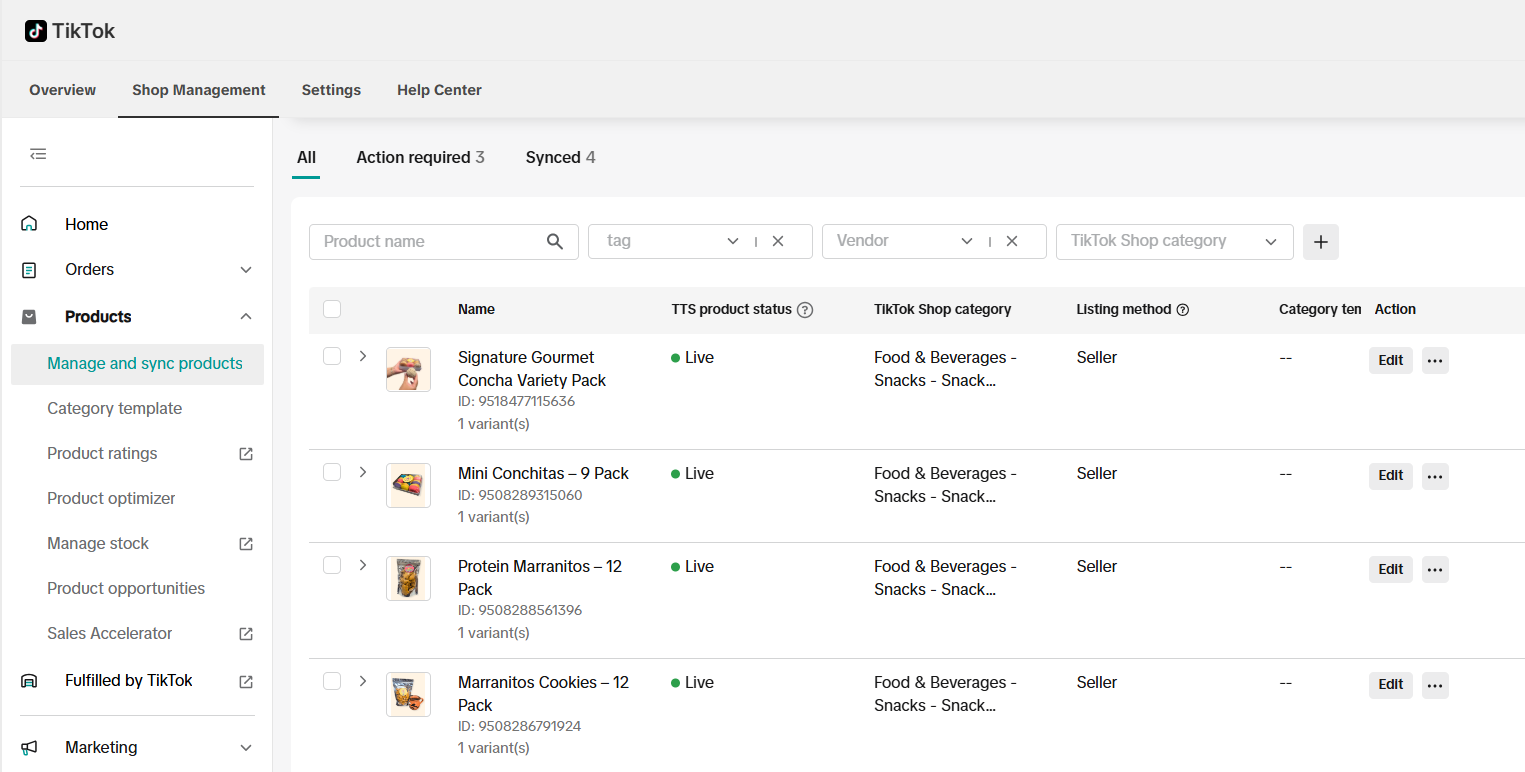
With your store connected, the next step is choosing which products you want to make available on TikTok Shop. Products can be imported from Shopify, where you can review details, make adjustments, and decide which items are ready to be published. This gives you the opportunity to ensure your product information is accurate and your listings are presented in a way that encourages both customers and creators to engage with them before they go live.
Opening Your Store to Affiliates
Once your products are ready, you can enable the TikTok Shop Affiliate Program. This allows creators to discover your products and apply to promote them in their content for a set fee or commission on sales. Instead of relying on advertising alone, your products become available to a growing network of creators who can help introduce your brand to new audiences. It marks the beginning of ongoing partnerships that can continue to generate sales long after a campaign is launched.
Discovering Creators
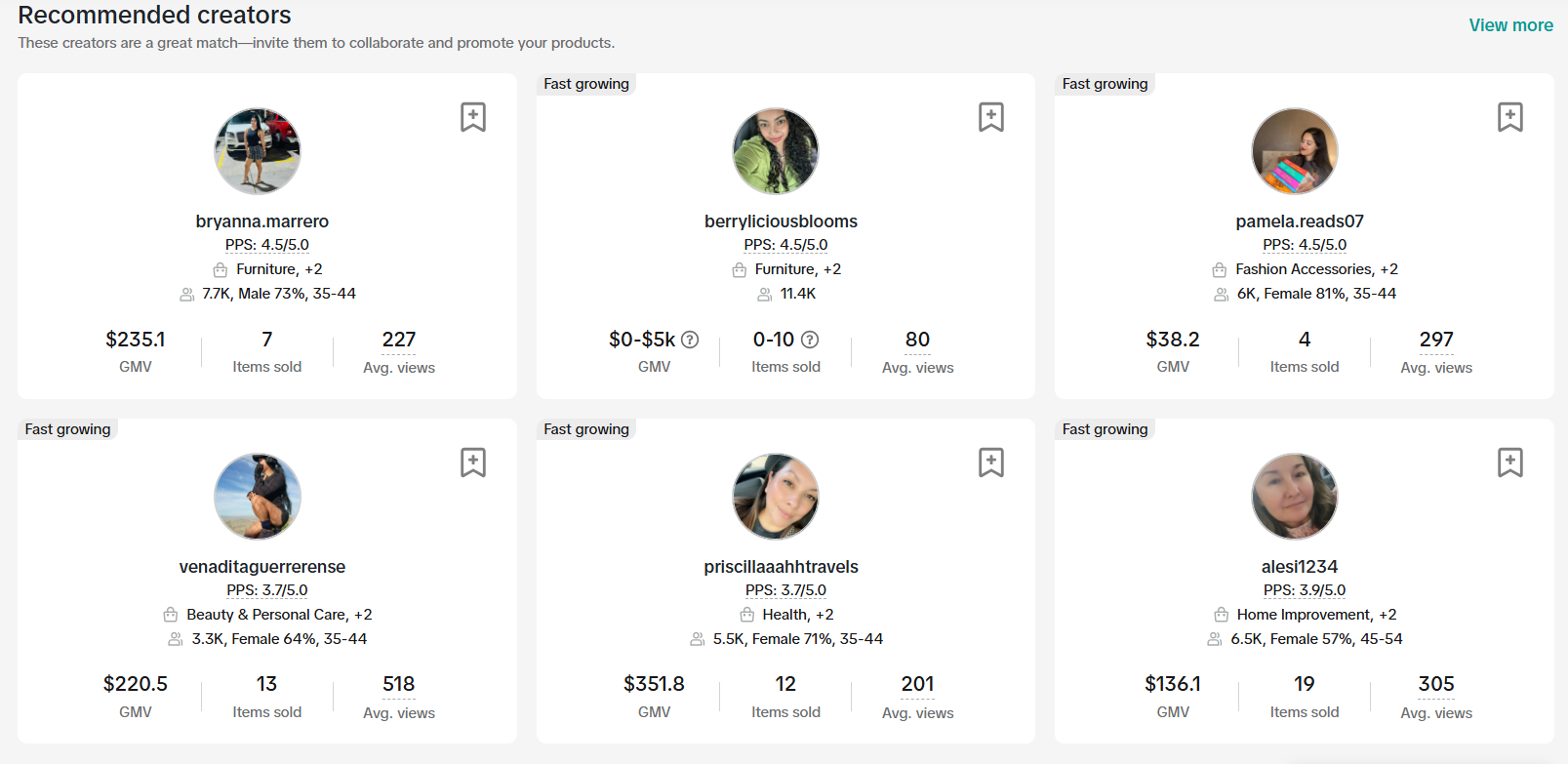
One of the most powerful features of TikTok Shop is the ability to find creators who may be a good fit for your brand. Businesses can search categories, explore niches, review helpful insights such as audience demographics, average video views, and past sales performance. These tools make it easier to find creators whose content and audience align with your products, helping you build partnerships based on data.
Building Your Creator Network
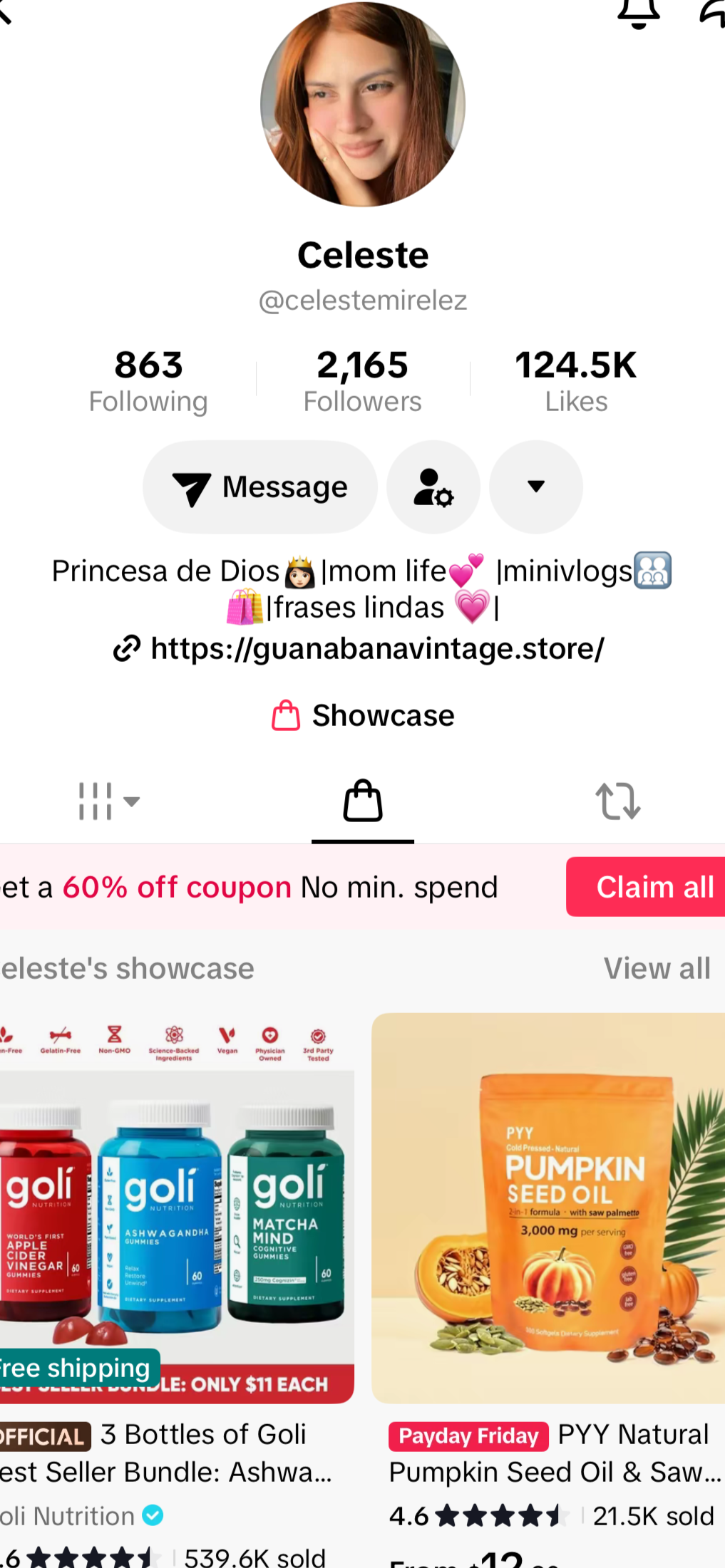
TikTok Shop Influencer With Modest Following
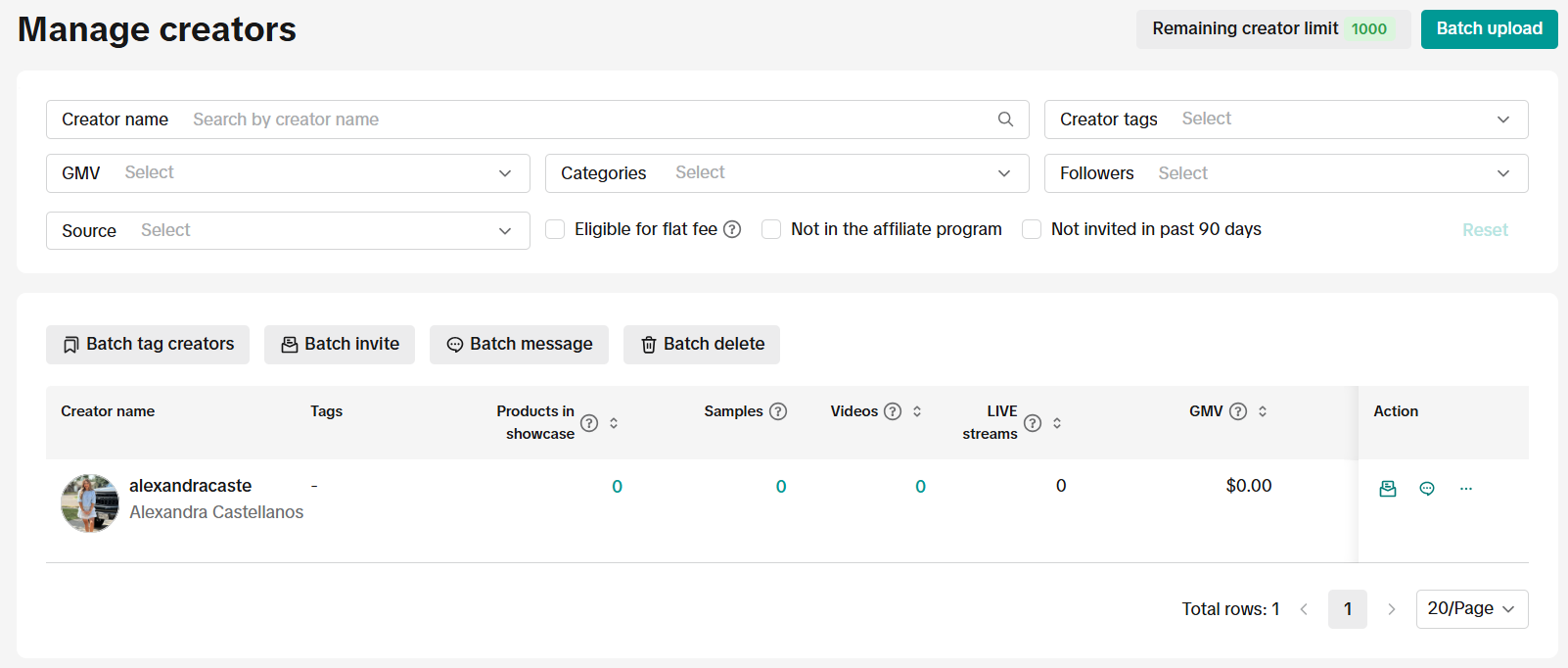
Finding creators is only the beginning. TikTok Shop also provides tools to help you organize and manage those relationships over time. You can invite creators to collaborate, save promising profiles for future campaigns, organize them with tags, and communicate directly from one place. As your business grows, these features make it easier to build a reliable network of creators who are familiar with your brand and excited to promote your products.
What Everyone Else Sees
Once everything is in place, your products become part of the TikTok shopping experience. Shoppers can discover them while browsing videos, watching live streams, or visiting a creator's profile. Products appear naturally alongside content, allowing viewers to learn more and purchase without leaving the app. For businesses, this means your products are no longer limited to your own audience. They can be introduced to thousands of potential customers through creators who genuinely enjoy sharing them.
This ties the article together nicely because it answers the question every business owner is thinking: "What does all of this actually look like to my customers?"
Final Thoughts
TikTok Shop has made it easier than ever for businesses and creators to work together. From syncing your products with Shopify to discovering creators, managing collaborations, and rewarding successful promotions, everything is designed to support long term partnerships. Whether you're launching your first product or expanding an established brand, the Affiliate Program offers a practical way to grow your reach, build trust with new audiences, and turn creators into advocates for your business.
