
Website Basics Explained: Domain, Hosting, DNS, SSL & More
Introduction
Building a website is a lot like opening a physical business. You need an address so people can find you, a building where everything lives, a secure front door, and a way to guide visitors to the right place. The internet works the same way.
Terms like domain, hosting, DNS, and SSL may sound technical, but each plays a simple role in helping your website exist and be found online. Once you understand how these pieces fit together, the web becomes much less mysterious.
What Is a Domain Name?

Every business starts with an address. Before customers can visit your bakery, office, or storefront, they need to know where it's located. On the internet, that address is your domain name: the web address people type into their browser, such as thestahlmarketing.com.
To reserve that address, you'll purchase it through a domain registrar. Companies like GoDaddy, Namecheap, and Cloudflare manage millions of domain registrations, allowing individuals and businesses to claim and renew their unique place on the internet.
Think of a domain name as your business's street address. It tells people where to go, but it isn't the building itself. Owning a domain simply means you've claimed your address, the website still needs somewhere to live.
What Is Website Hosting?

Now that you've claimed your address, it's time to build. If a domain name is your street address, website hosting is the building. It's the space where your website lives, storing everything from your images and pages to your products and blog posts.
Hosting is provided by companies such as Hostinger, SiteGround, DigitalOcean, and many others. These companies operate powerful computers called servers, which are designed to keep your website online around the clock.
Every time someone visits your domain, your hosting server delivers your website to their browser in just a few moments. Without hosting, your domain is simply an address pointing to an empty lot. Hosting is what turns that empty address into a place your visitors can actually explore.
What Is a Website?
With an address and a building, it's finally time to open your doors. Your websiteis everything your visitors experience once they arrive. It's your homepage, catalog, contact page, blog, photos, branding, and everything else that tells your story online.
There are many ways to build a website. Platforms like Shopify, WordPress, Drupal, Squarespace, and Wix each provide different tools and features, but they all serve the same purpose: helping you create and manage your online presence.
Think of your website as everything inside the building. The layout, furniture, decorations, displays, and products are what create the experience for your visitors. While hosting provides the space, your website is what fills it with life.
What Is DNS?

Your business has an address, your building is ready, and the doors are open. But how do customers actually get there? That's where DNS, or the Domain Name System, comes in. Think of DNS as the internet's GPS. When someone types your domain name into their browser, DNS quickly looks up where your website is hosted and directs them to the correct server.
This information is stored in DNS records, which act like directions telling the internet where to find your website, email, and other online services. Many businesses manage their DNS through companies like Cloudflare, GoDaddy, or their domain registrar. If you ever move your website to a new hosting provider, updating your DNS records is like giving everyone a new set of directions to your business.
Without DNS, your domain would be nothing more than an address with no way for visitors to find the building behind it.
What Is SSL?
Your customers have found your business, stepped inside, and are ready to make a purchase. Before they hand over their credit card or personal information, they want to know it's safe. That's the job of an SSL certificate.
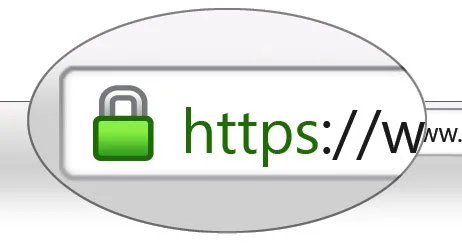
SSL, which stands for Secure Sockets Layer, encrypts the information exchanged between your website and its visitors. This helps protect sensitive data, such as passwords, payment information, and contact forms, from being intercepted. When a website has a valid SSL certificate, you'll notice HTTPS and a padlock icon in your browser's address bar. Today, SSL has become a standard for nearly every professional website, helping build trust with visitors while improving security.
Think of SSL as the lock on your business's front door. It doesn't change where your business is located or what it sells: it simply gives customers confidence that it's safe to do business with you.
What Is Business Email?
One common misconception is that your website automatically comes with email.
In reality, business email is often a separate service that works alongside your domain and website. A professional email address, such as kevin@thestahlmarketing.com, uses your domain name but doesn't have to be managed by the same company hosting your website.
Popular email providers like Google Workspace, Microsoft 365, and Zoho Mail allow businesses to send and receive email using their own domain, creating a more professional appearance than a personal email address.
Think of business email as your company's mailbox. It uses the same address as your business, but it doesn't have to be located inside the building. As long as it's connected correctly, your mail arrives exactly where it needs to go.
How It All Works Together
At first, terms like domain, hosting, DNS, SSL, and business email can seem like completely separate technologies. In reality, they're simply different pieces of the same puzzle. When someone types your domain name into their browser, DNS directs them to the correct hosting server. That server delivers your website, while SSL secures the connection between your business and your visitor. If they choose to contact you, your business email ensures their message arrives safely in your inbox.
Each service has a unique purpose, but together they create the seamless experience we often take for granted every time we visit a website. Whether your services are managed by one company or several, understanding how they work together makes it much easier to manage your online presence with confidence.
