Shopify POS vs Square POS
Intro
If you're opening a boutique, coffee shop, bakery, gift shop, or retail store, chances are you've narrowed your point-of-sale system down to two names: Shopify POS and Square POS. Both are popular. Both process payments. Both manage inventory. But they aren't built for the same type of business.
In this guide, we'll compare Shopify POS vs Square POS across pricing, inventory, ecommerce, reporting, hardware, and long-term scalability so you can choose the platform that's right for your business.
Pricing
When comparing Shopify POS vs Square POS, price is about much more than the monthly subscription. The true cost of a point-of-sale system includes software plans, payment processing fees, hardware, and any add-ons your business may need as it grows. Square is often the more affordable option for startups because it offers a free POS plan with basic retail features. Shopify, on the other hand, requires a Shopify subscription but includes a complete ecommerce platform alongside its POS. For businesses planning to sell both online and in-store, that added value can outweigh the higher monthly cost, especially as inventory, orders, and customer data remain synchronized in one system. Before choosing either platform, consider not only what you'll spend today, but what you'll need six months or two years from now as your business expands
Monthly Subscription Pricing
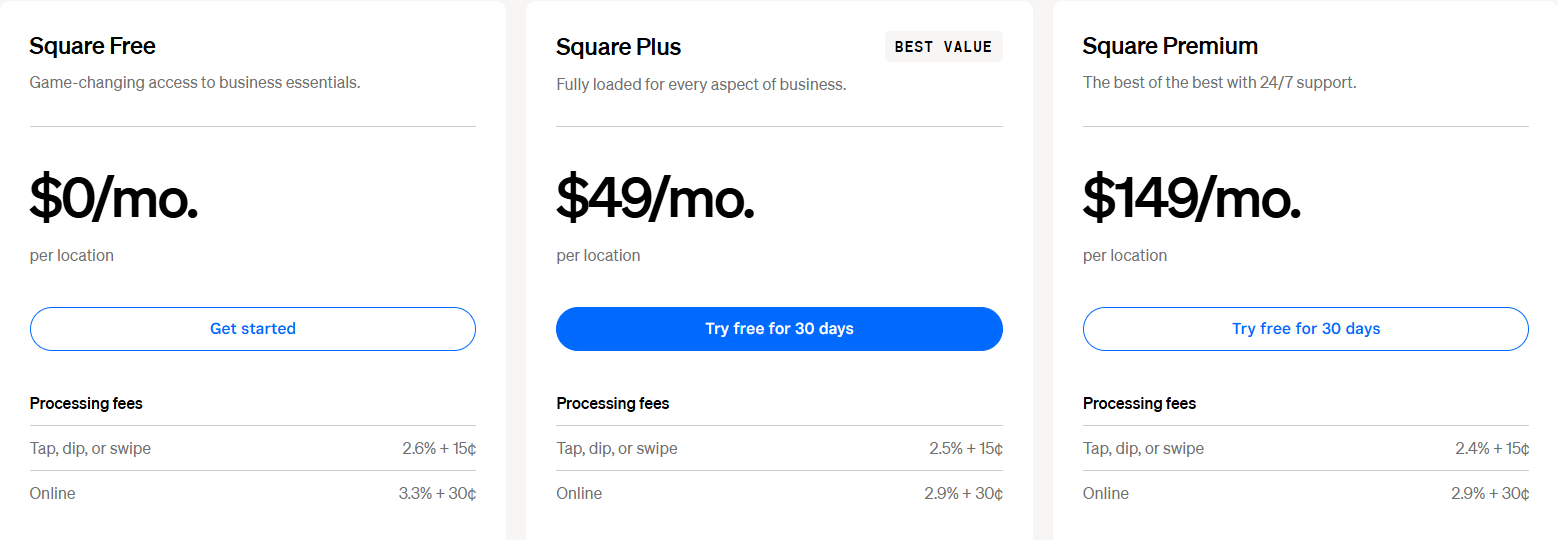
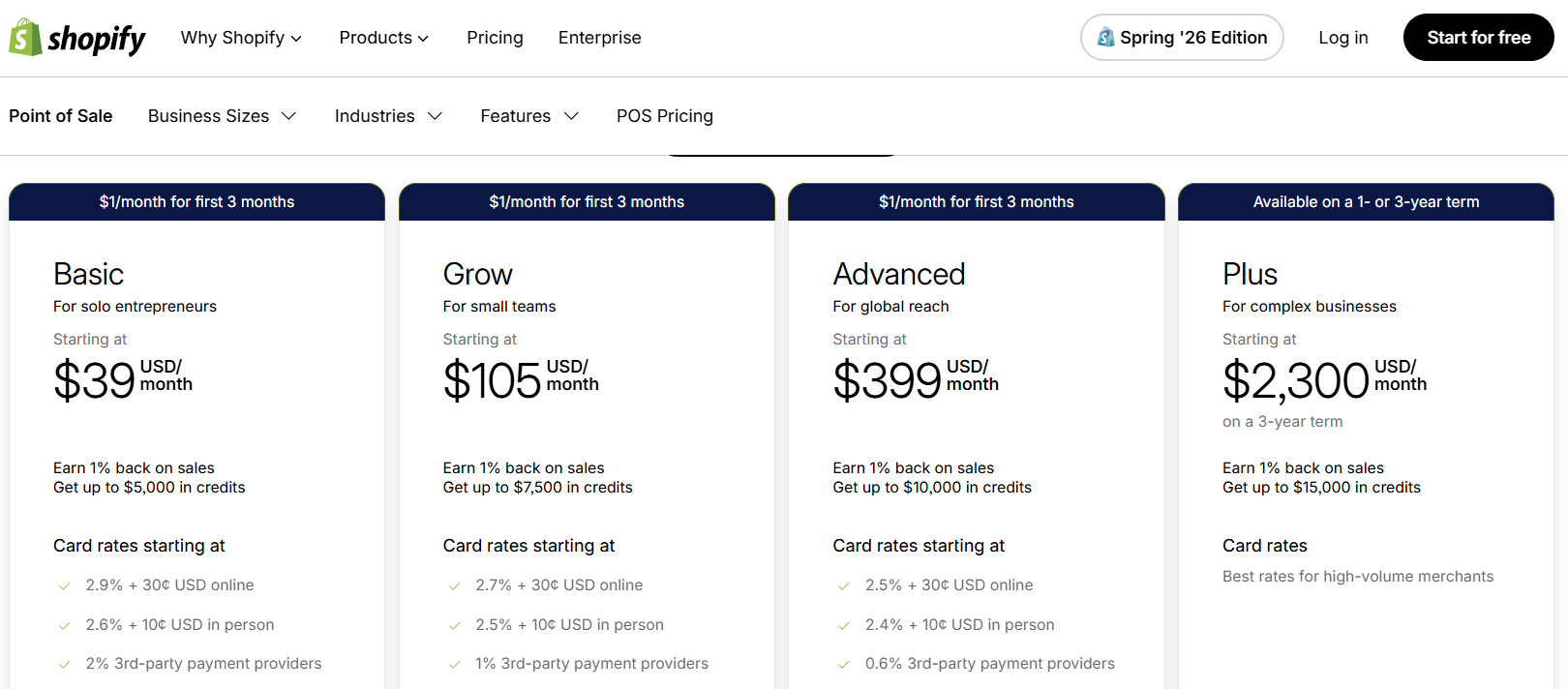
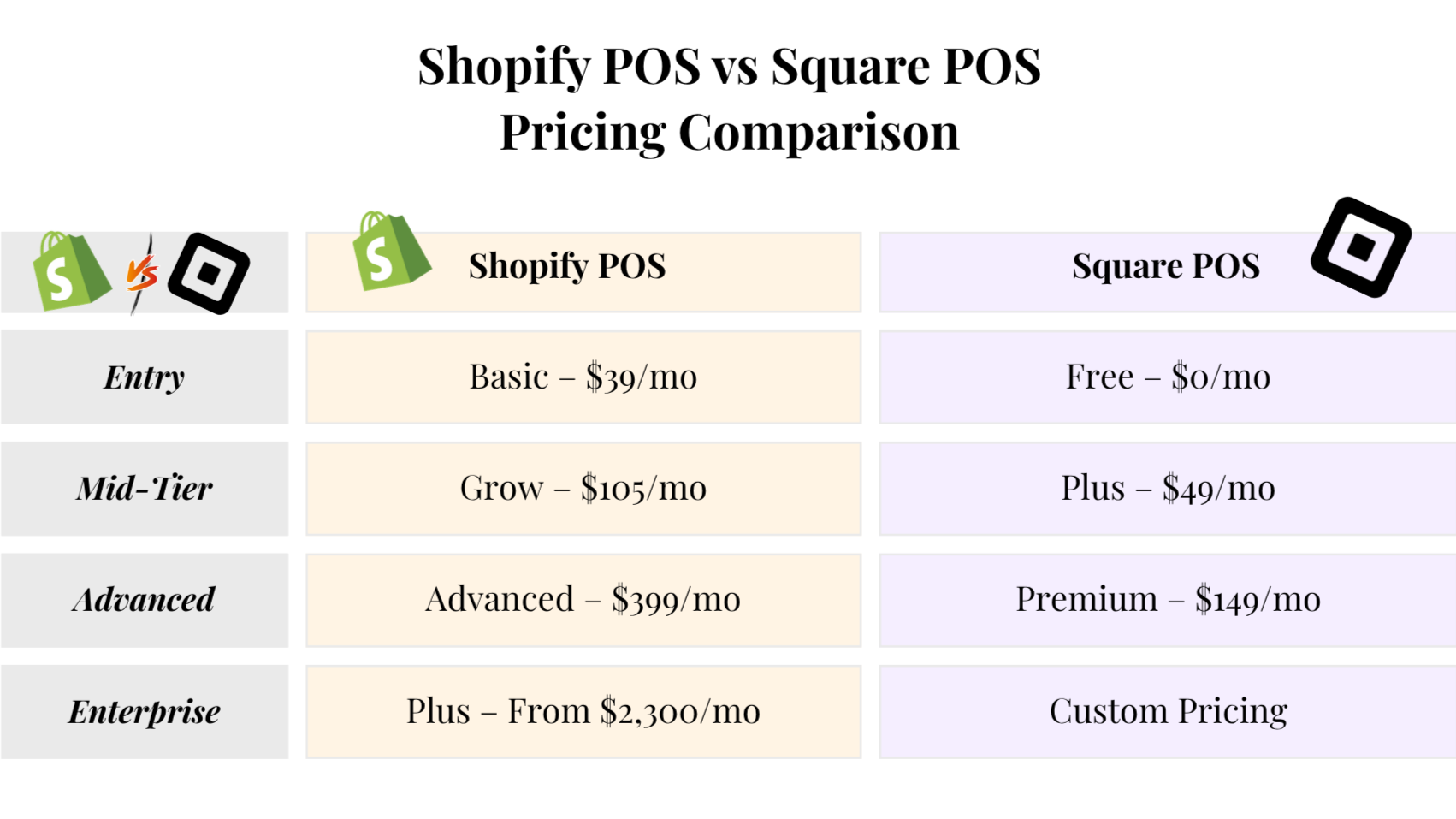
Your monthly subscription is the most predictable cost of running your POS system. Square offers a Free plan, making it an attractive choice for new businesses with limited budgets. Shopify's entry plan starts at $39 per month, with higher tiers unlocking lower payment processing rates and additional business tools. While a $39 monthly fee may seem like a disadvantage at first, it can quickly pay for itself if your business relies on an online store, advanced inventory management, or marketing features that would otherwise require separate software. The real question isn't whether you can save $39 today—it's whether that investment saves you time or money elsewhere in your business.
In-Person Payment Processing Fees
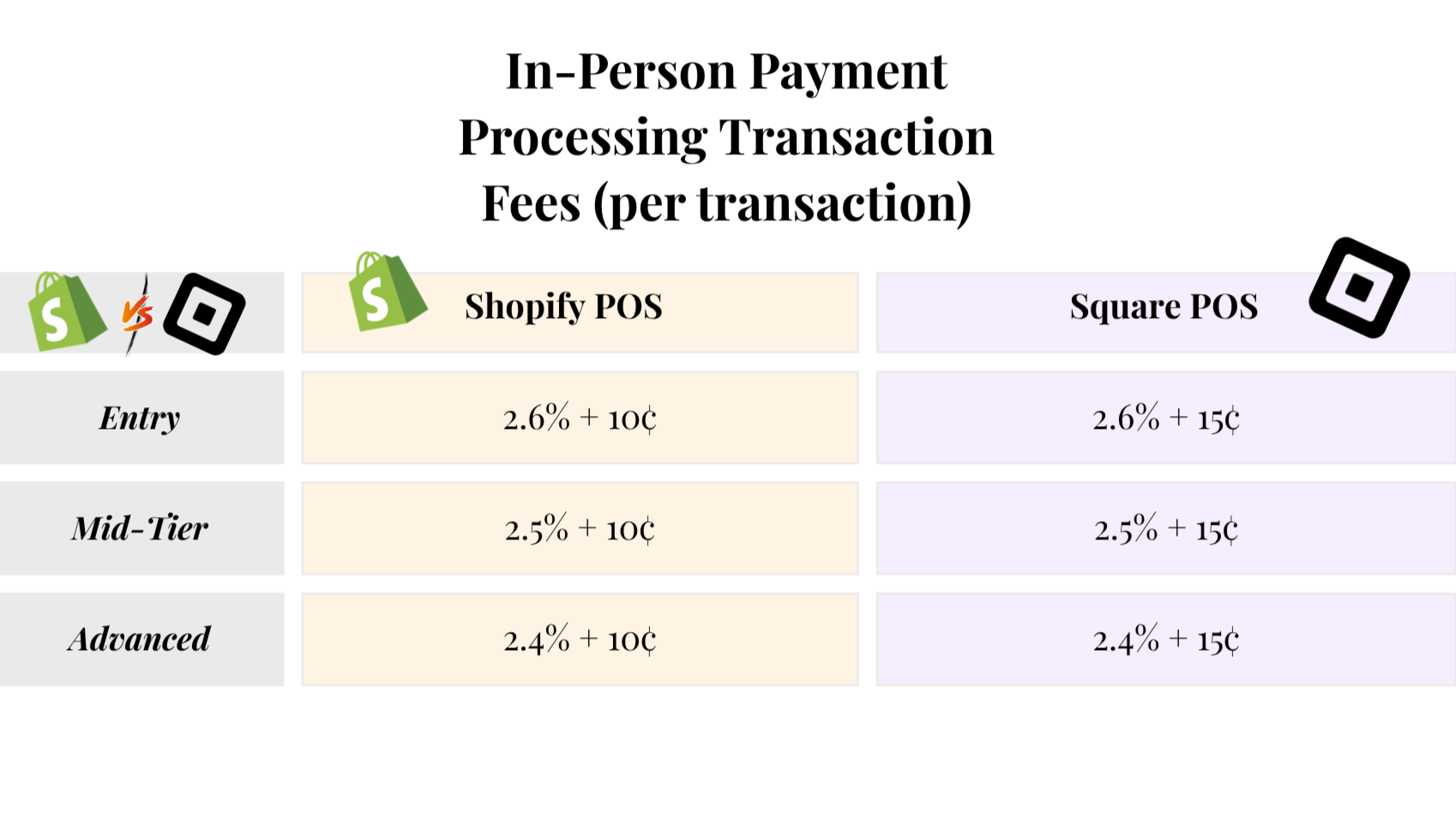
Every in-store sale comes with a processing fee, usually made up of a percentage plus a fixed amount. At the entry level, Shopify charges 2.6% + 10¢, while Square charges 2.6% + 15¢. That five-cent difference may sound insignificant, but it adds up over time. A retailer processing 20,000 in-person transactions per year would pay roughly $1,000 more in fixed transaction fees with Square than Shopify before considering the percentage portion. As businesses process more sales, even small differences in processing fees can noticeably affect annual profits.
Make it stand out
Whatever it is, the way you tell your story online can make all the difference.
Online Payment Processing Fees
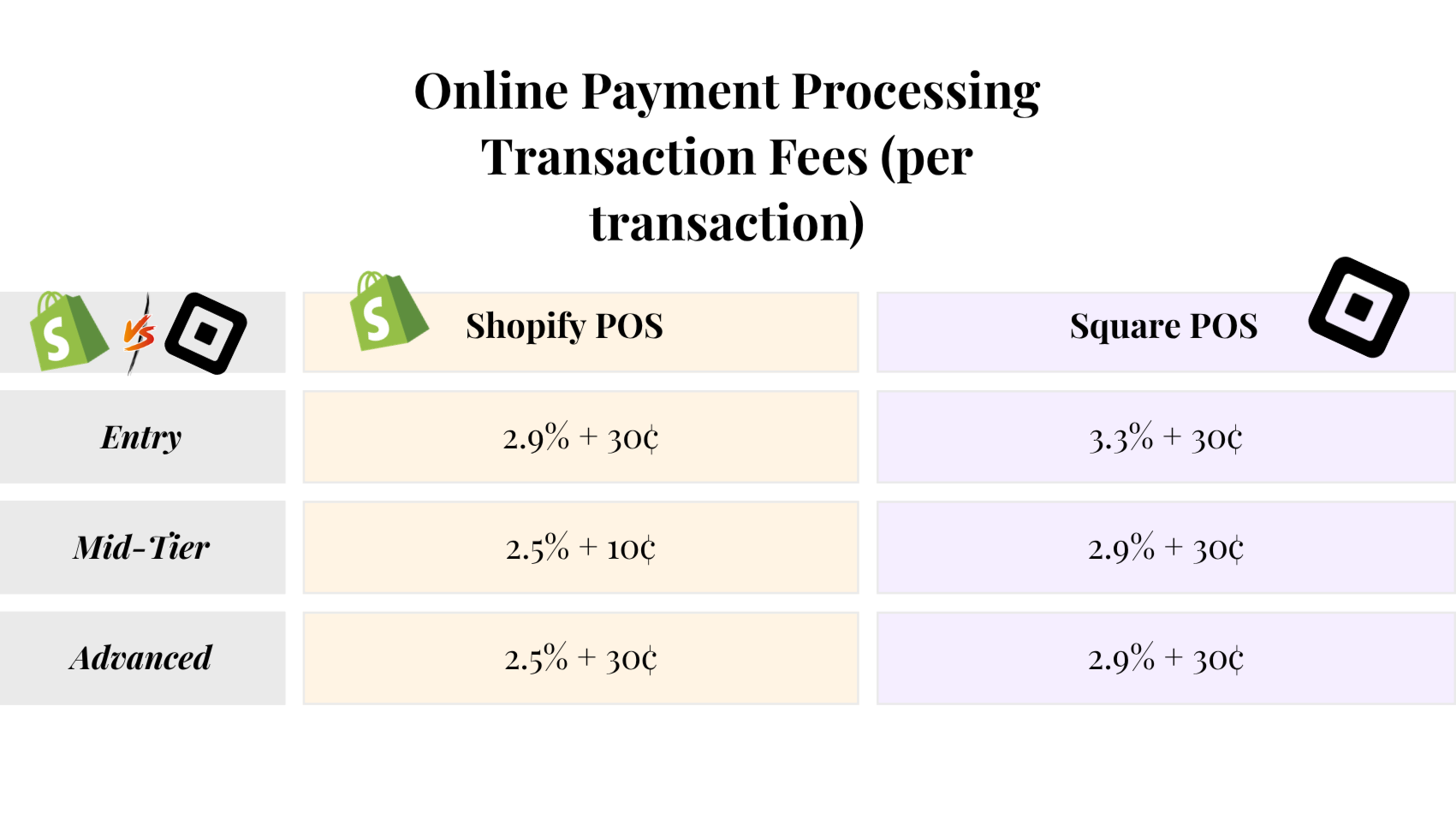
Online transactions generally carry higher processing fees than in-person purchases because they present greater fraud risk. Here, Shopify maintains an advantage across every paid tier. On the entry plan, Shopify charges 2.9% + 30¢, while Square charges 3.3% + 30¢. That 0.4% difference becomes increasingly important as online revenue grows. For example, a business generating $250,000 in online sales annually would pay approximately $1,000 more in percentage-based processing fees with Square's entry plan, assuming similar transaction sizes. For ecommerce-focused businesses, lower online processing rates can offset much of Shopify's monthly subscription cost over time.
Hardware & Upfront Equipment Costs
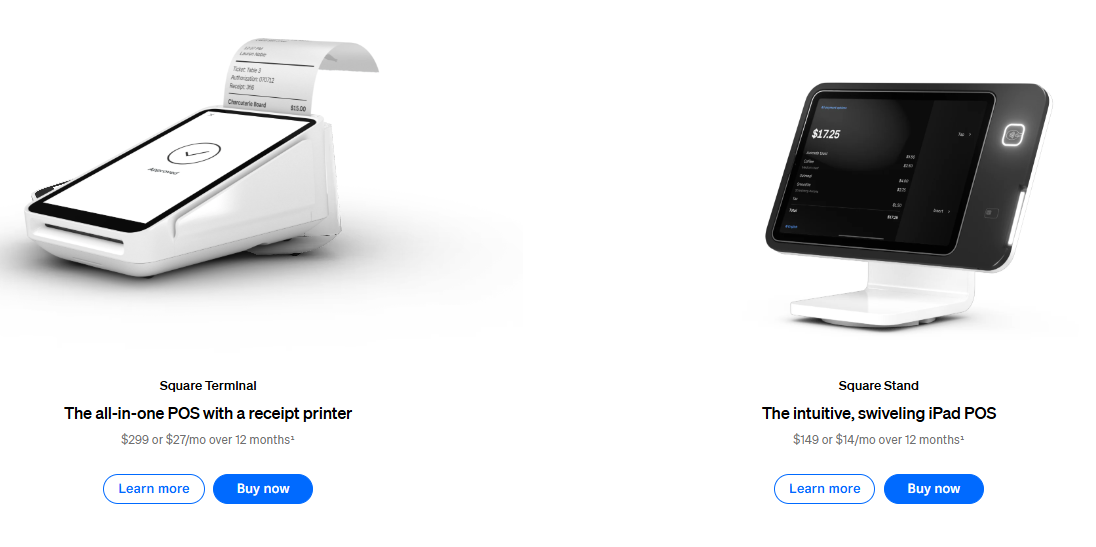
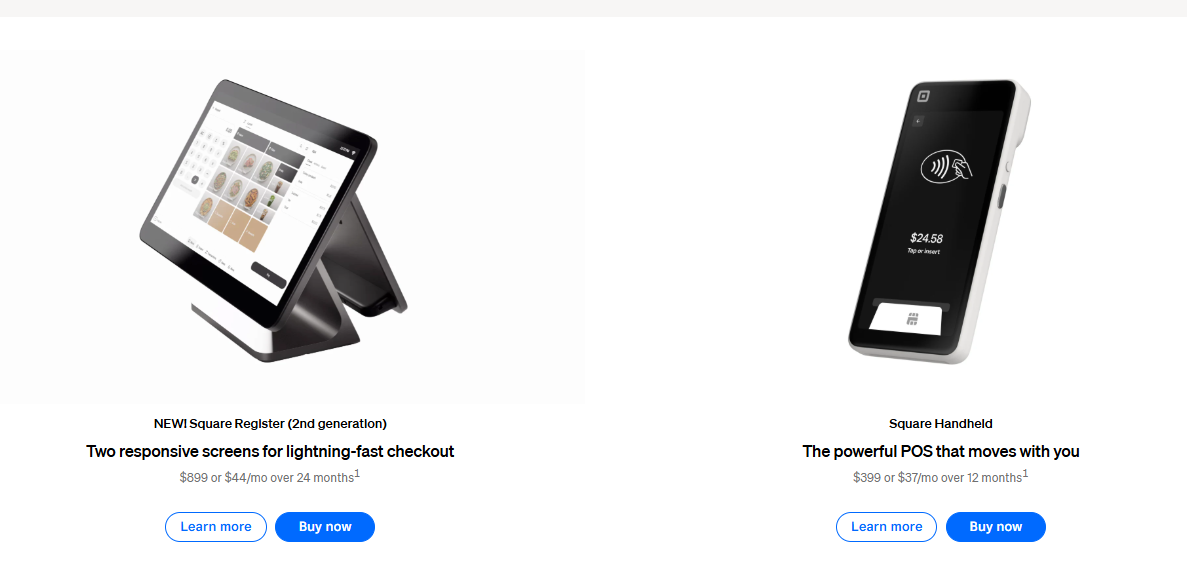
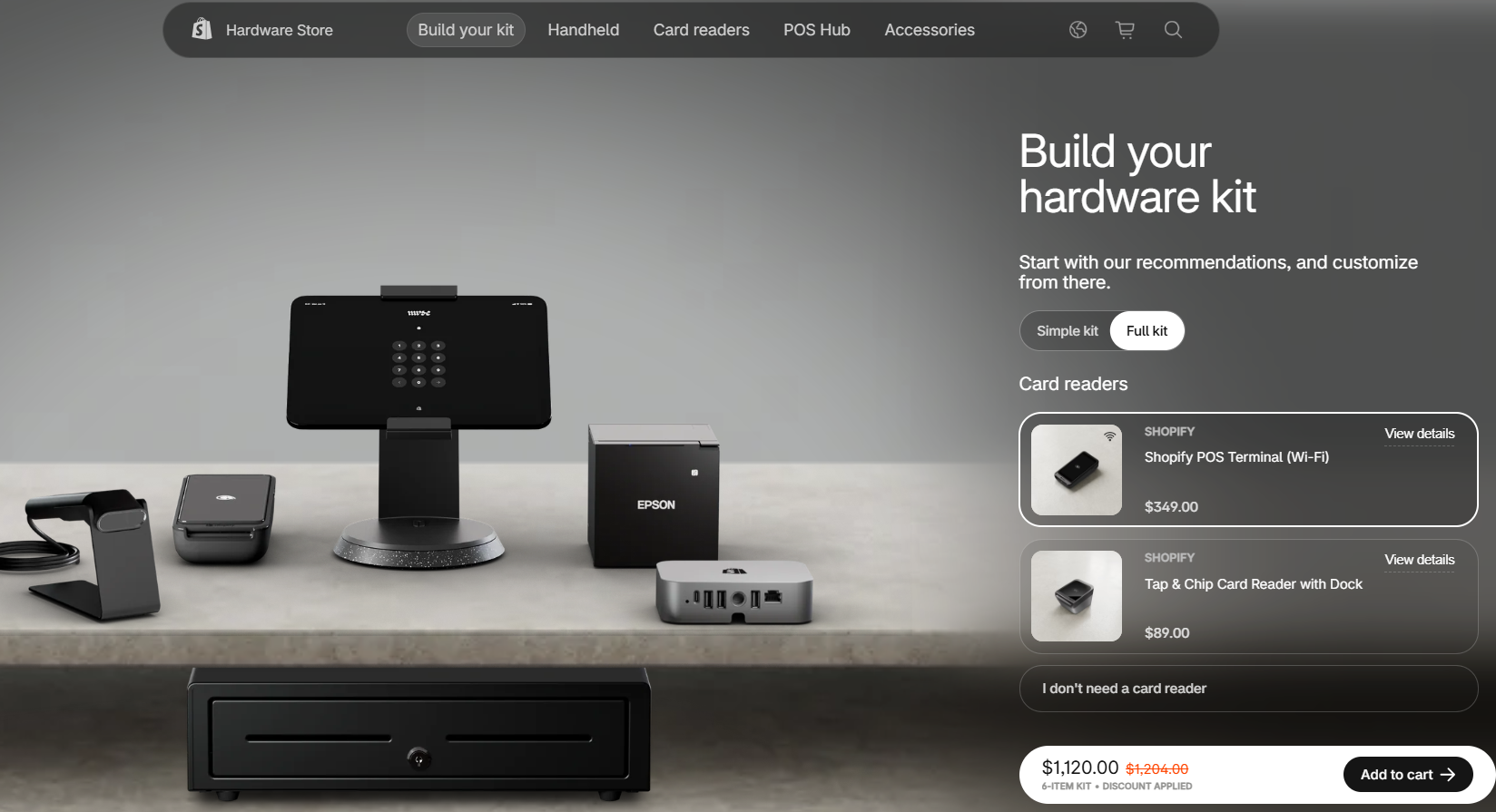
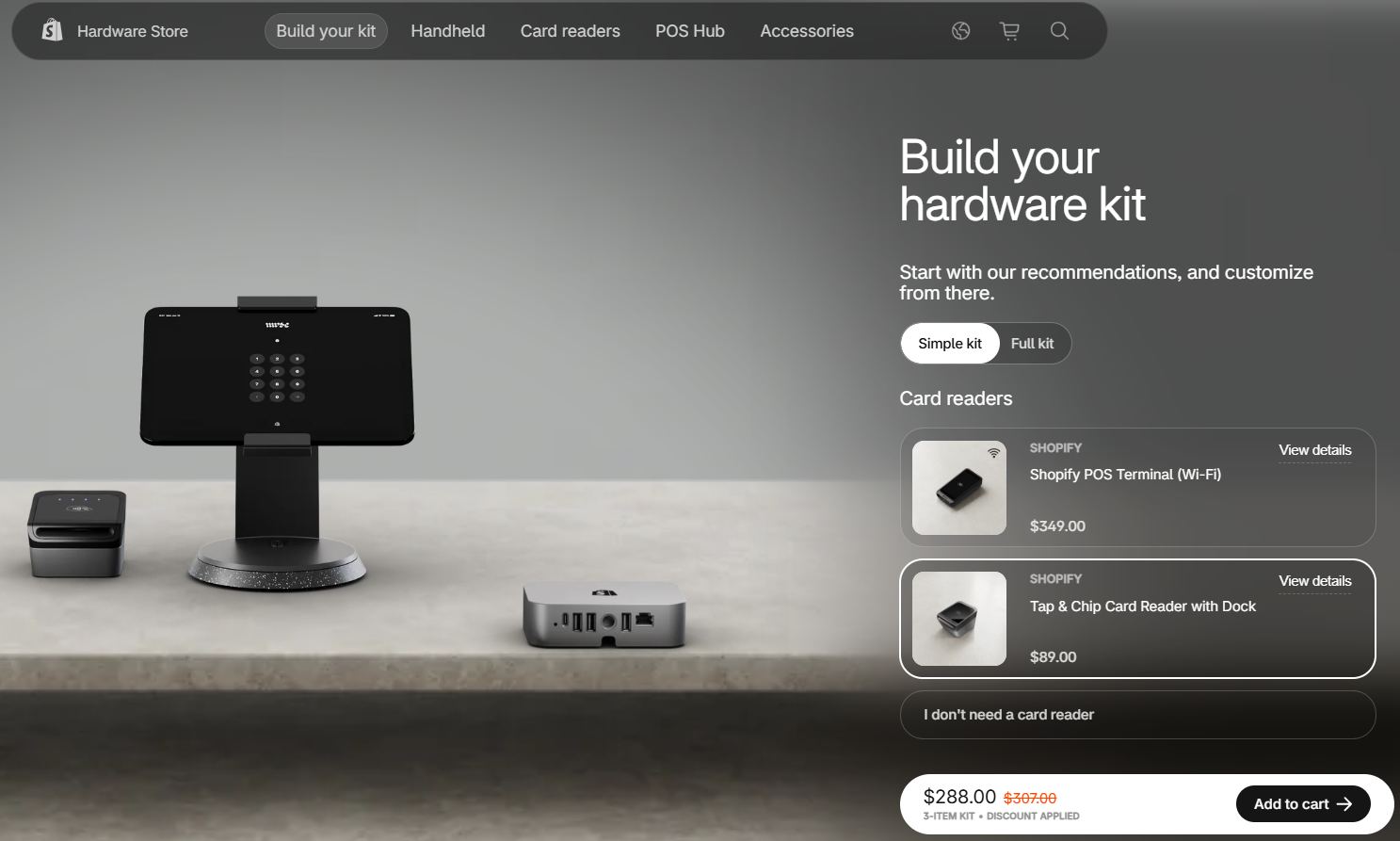
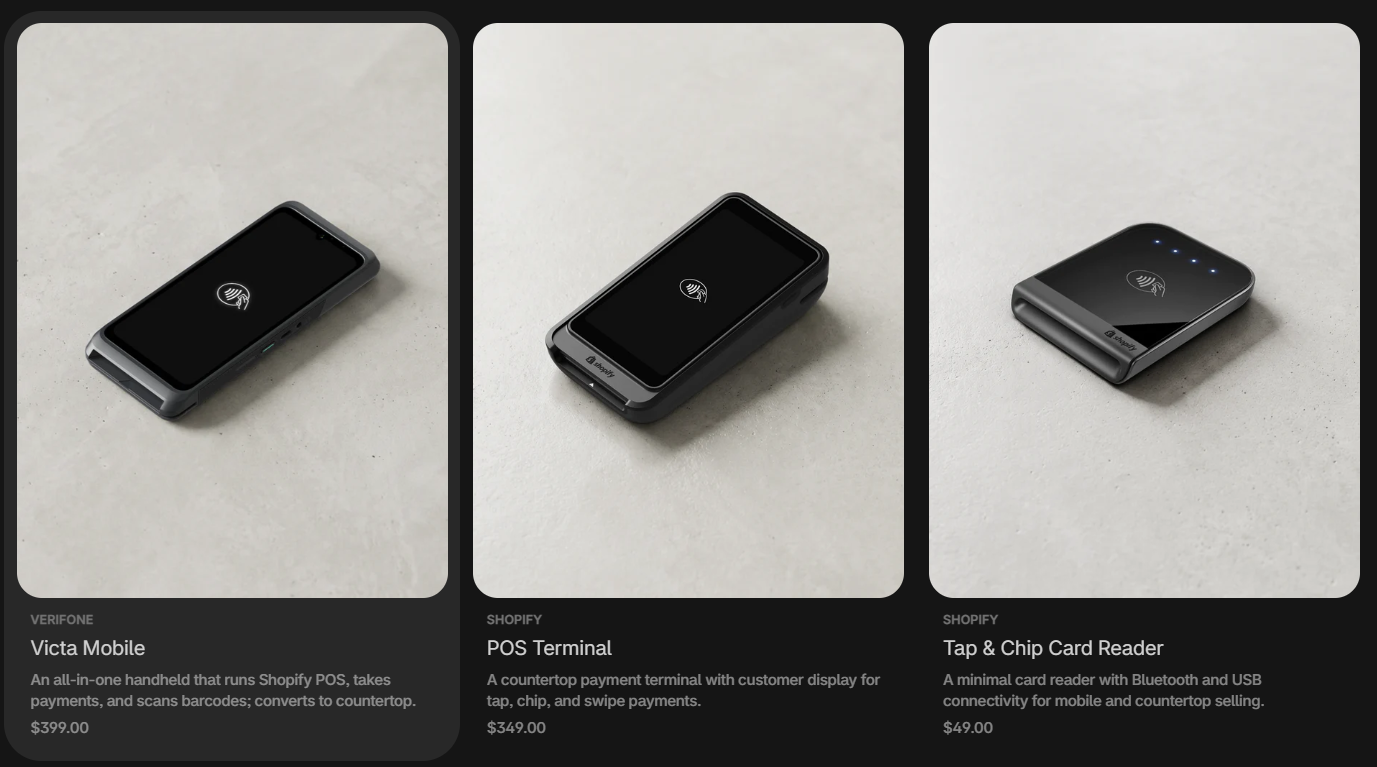
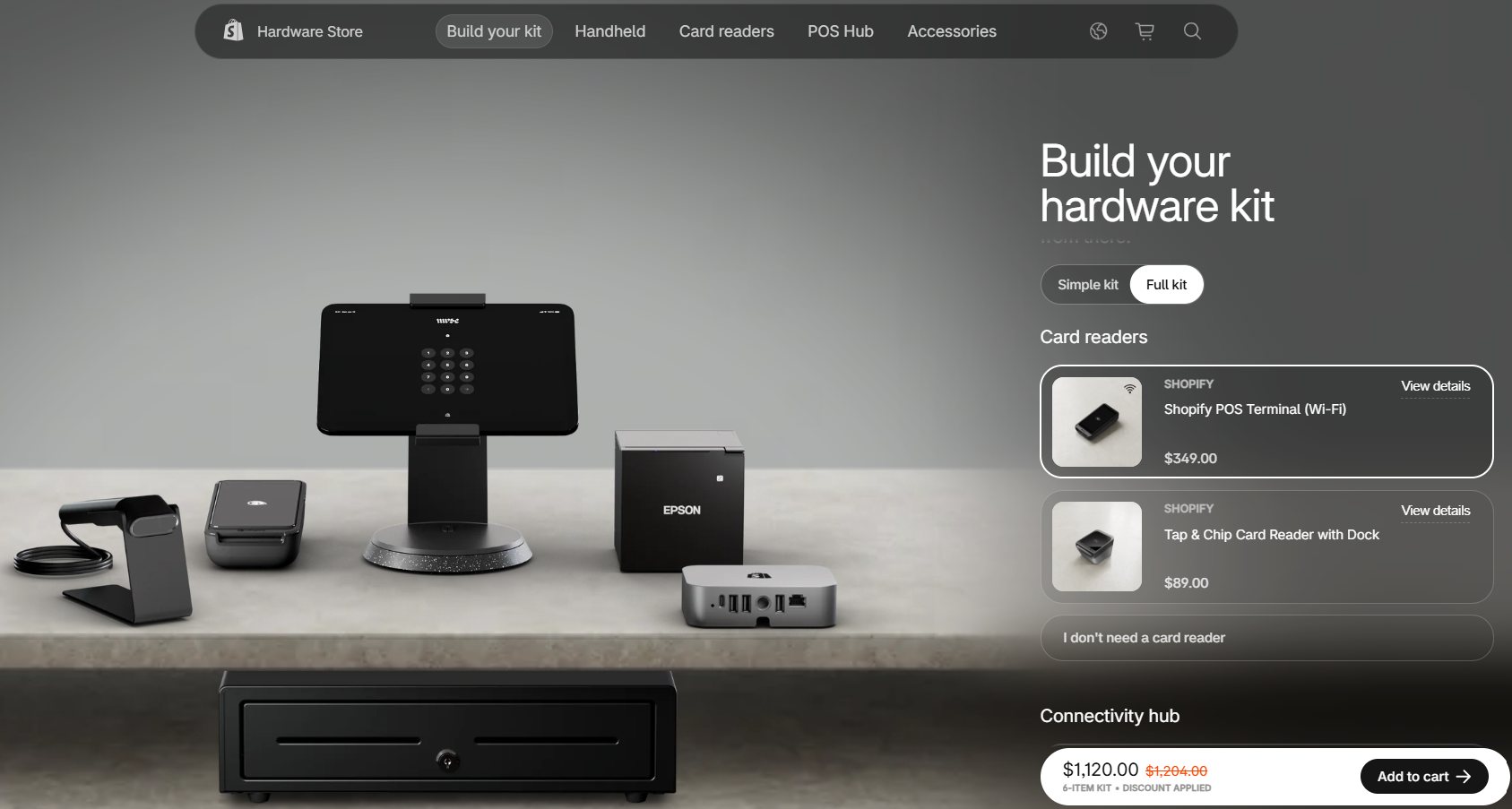
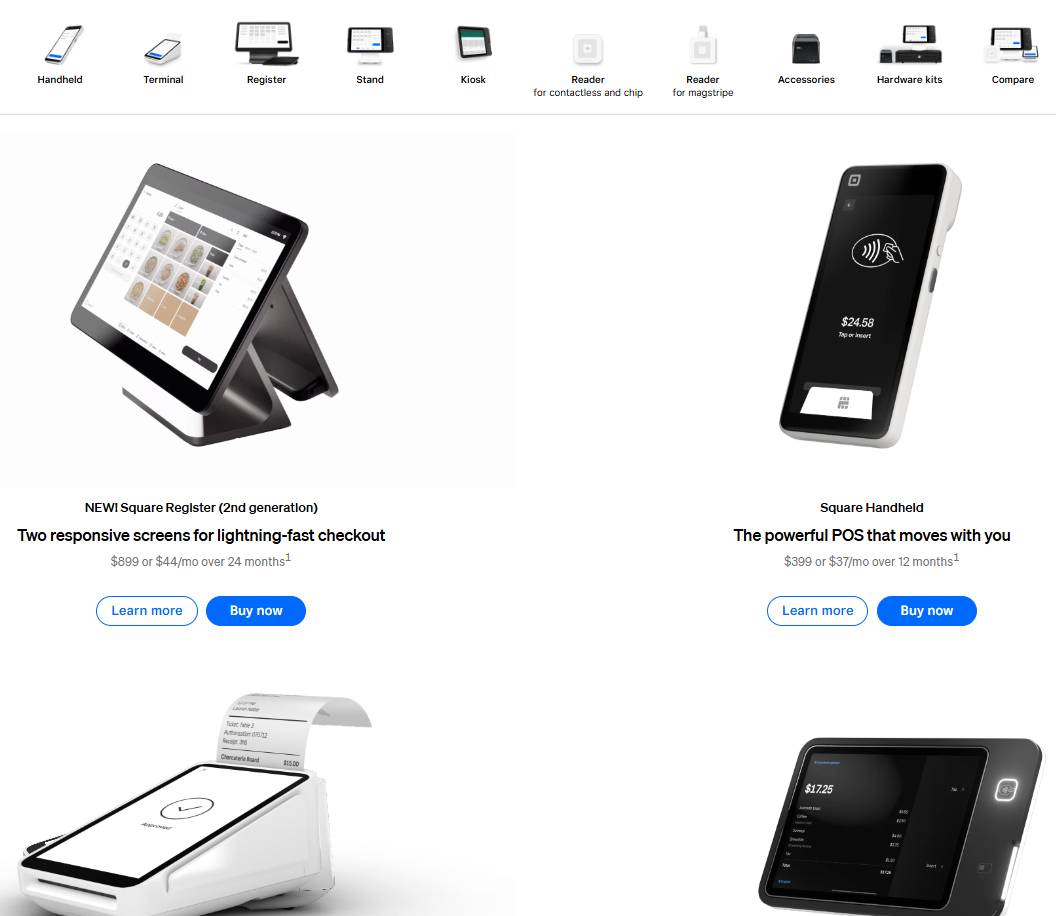
Unlike monthly subscriptions or payment processing fees, hardware is typically a one time investment. The amount you'll spend depends largely on how you sell. A pop-up shop may only need a mobile card reader, while a busy retail store could require a countertop terminal, barcode scanner, receipt printer, cash drawer, and customer-facing display. Both Shopify and Square offer complete hardware ecosystems, allowing businesses to start small and add equipment as they grow.
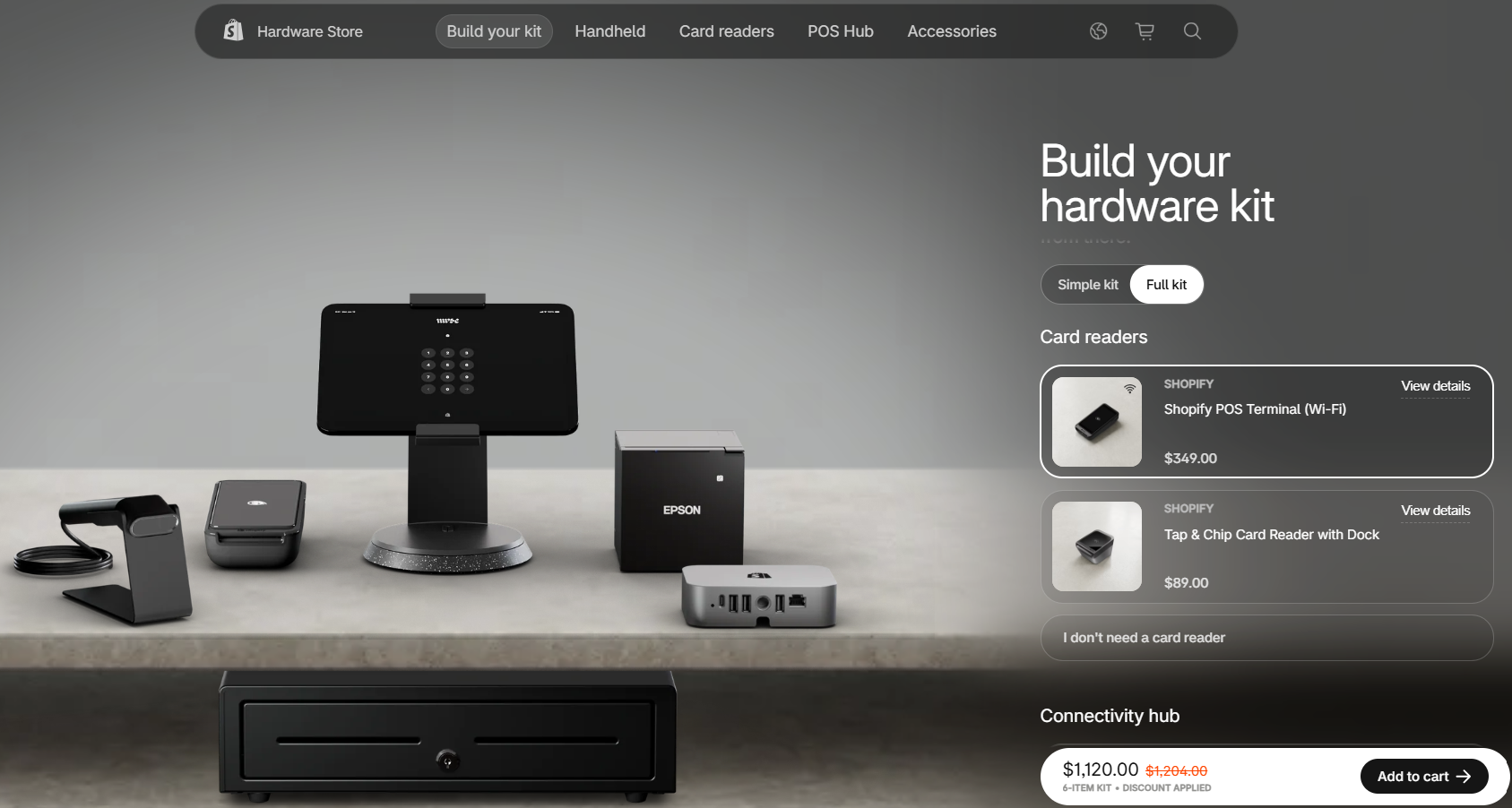
For businesses on a tight startup budget, Square has the lower cost of entry. Its hardware lineup begins around $59 for a mobile card reader, while Shopify's card readers start around $49 and expand to countertop terminals and complete checkout kits. Both platforms also sell compatible barcode scanners, receipt printers, cash drawers, and tablet stands, making it easy to build a checkout station tailored to your store.
The biggest difference isn't necessarily the hardware itself—it's the philosophy behind it. Square focuses on getting merchants accepting payments as quickly and inexpensively as possible, making it an excellent choice for mobile businesses, market vendors, and new retailers. Shopify, on the other hand, builds its hardware around a unified commerce experience. Devices like the POS Terminal and POS Hub are designed to integrate seamlessly with Shopify's inventory, customer profiles, and online store, making them especially attractive for retailers operating both physical and ecommerce locations.
A good way to think about hardware is this: it's an upfront expense that you'll likely use for years. While the difference between spending $300 and $500 on equipment may seem significant initially, it's often small compared to the ongoing costs of subscriptions and payment processing. For most businesses, choosing the platform with the features and workflow that best fit their operation will have a much greater financial impact.
Final Verdict: Shopify POS vs Square POS
Both Shopify POS and Square POS are excellent point-of-sale systems, but they're built with different types of businesses in mind.
If you're looking for the lowest upfront cost and primarily sell in person, Square is difficult to beat. Its free plan, affordable hardware, and simple setup make it an excellent choice for pop-up shops, service businesses, market vendors, and retailers just getting started.
Shopify, however, shines when your business extends beyond the cash register. While you'll pay a higher monthly subscription, you're also investing in a complete commerce platform that combines your online store, inventory, customers, reporting, marketing, and point of sale into a single system. As your business grows, that unified ecosystem can reduce manual work, simplify operations, and provide a better experience for both your staff and customers.
Ultimately, the right choice depends on where you see your business in the next few years—not just next month. If you simply need a reliable way to accept payments, Square is a strong option. If your goal is to build a scalable retail brand that sells online, in-store, and across multiple channels, Shopify is likely the better long-term investment.