Think Getting Influencers to Sell Your Products Is Complicated? TikTok Shop Disagrees
Introduction
For years, influencer marketing felt like something only large brands could afford. You had to search for creators, negotiate pricing, draft agreements, ship products, create discount codes, and then hope the campaign actually generated enough sales to justify the investment. For many small and medium sized businesses, the process seemed expensive, time consuming, and difficult to measure.
That isn't how TikTok Shop approaches creator marketing.
Instead of forcing businesses to build every relationship from scratch, TikTok has created an ecosystem where creators, products, commissions, customers, and checkout all work together. If your business already sells through Shopify, you may already have access to one of the fastest growing social commerce platforms in the world. The challenge is no longer figuring out if you can work with creators. It's understanding how the platform was designed to make those collaborations much easier than most businesses expect.
What Makes TikTok Shop Different?
TikTok Shop isn't simply another online marketplace, nor is it just another place to advertise your products. It combines entertainment, product discovery, creator partnerships, affiliate marketing, payments, and checkout into one connected platform.
Think about how customers usually discover products online. They scroll through social media, watch reviews on YouTube, search Google, compare prices, visit multiple websites, and finally decide whether to make a purchase. Every one of those steps creates an opportunity for the customer to lose interest.
TikTok shortens that journey. Someone watches a creator they already trust, sees a product in action, taps the product tag, and completes the purchase without leaving the app. The fewer steps there are between discovery and checkout, the easier it becomes for businesses to convert curiosity into sales.
How Shopify Fits Into the Picture
One of the biggest surprises for business owners is that getting started often doesn't require rebuilding everything from scratch.
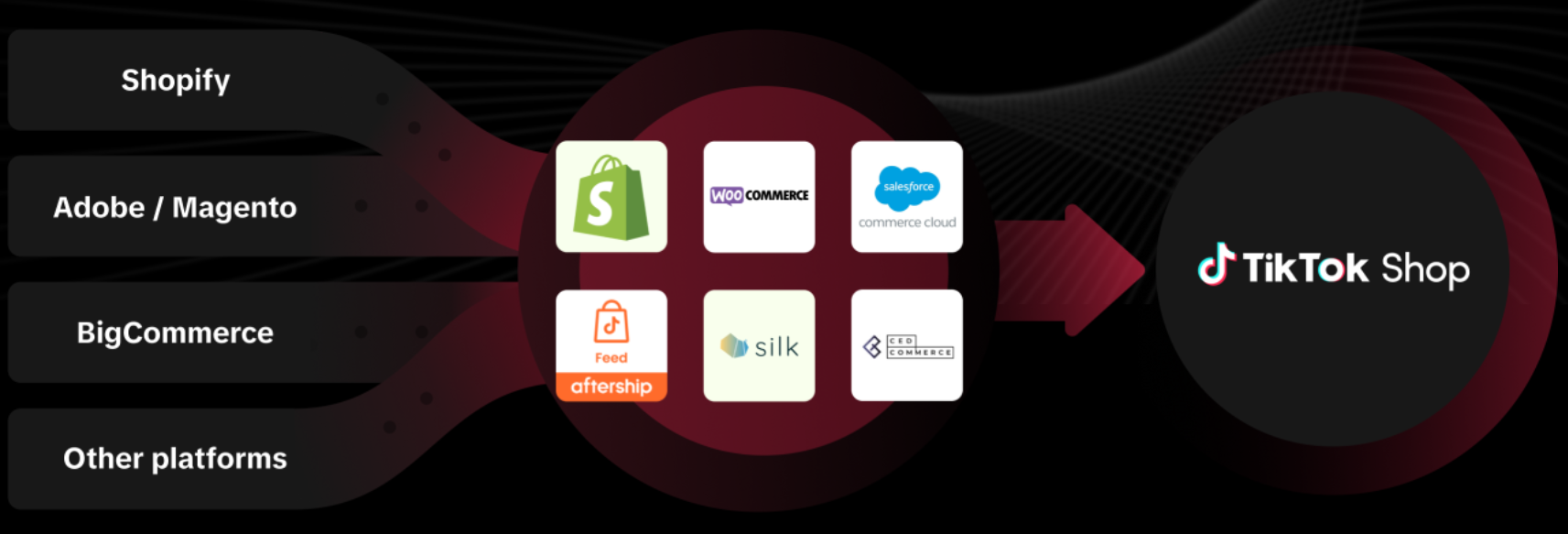
If your products already live in Shopify, those products can be synchronized with TikTok Shop. Your inventory, pricing, product information, and order management continue flowing through Shopify while TikTok becomes another place customers can discover and purchase your products.
That means you aren't managing two completely separate stores. You're expanding where your products can be found while keeping much of your existing eCommerce infrastructure intact.
This is one of the reasons Shopify has become such a powerful foundation for businesses looking to grow into social commerce.
Finding Creators Doesn't Have to Be Difficult
When most people hear the word influencer, they immediately think of celebrities with millions of followers charging thousands of dollars for a single post. That certainly exists. It also isn't the only option.
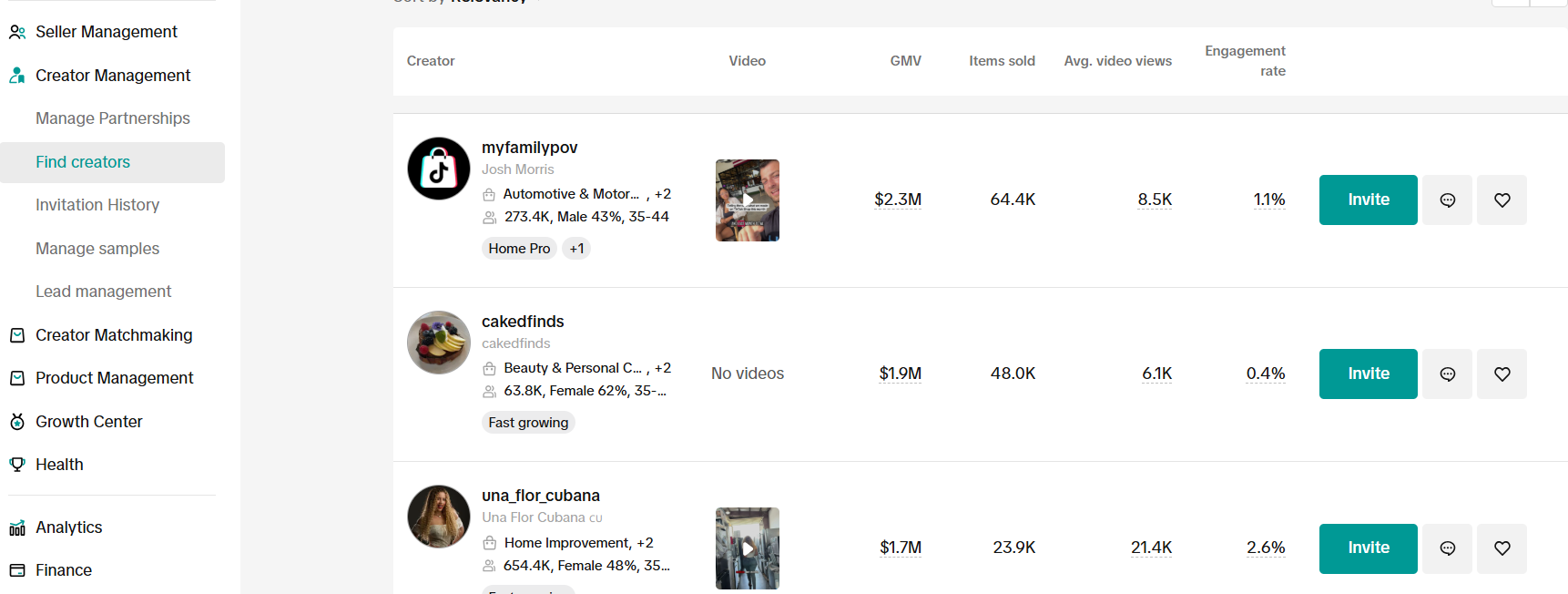
TikTok Shop allows businesses to work with creators of all sizes. Many creators actively search for products to feature because they earn commissions when their recommendations generate sales. For businesses, this creates opportunities to work with people who genuinely enjoy showcasing products instead of simply accepting another sponsorship.
Rather than cold messaging hundreds of creators across different social platforms, businesses can manage many of these relationships directly through TikTok's creator tools. You decide who aligns with your brand, approve partnerships, provide samples when appropriate, and monitor how each collaboration performs.
The process is significantly more organized than many businesses realize.
Why Commission Based Partnerships Work
Traditional influencer marketing has always revolved around negotiations. A business reaches out to a creator, discusses pricing, agrees on how many videos or posts will be published, ships the product, and hopes the campaign performs well enough to justify the investment. Sometimes it does. Sometimes it doesn't. Regardless of the outcome, the creator has already been paid, leaving the business to wonder whether the campaign actually generated a return.
TikTok Shop introduces another approach that aligns everyone's interests far more naturally. Instead of paying primarily for exposure, businesses can offer commission based partnerships where creators earn a percentage of every sale they generate. The better a creator performs, the more they earn. At the same time, businesses aren't simply paying for views or impressions that may never convert into customers. They're rewarding measurable results. That creates an entirely different relationship between brands and creators because both sides are ultimately working toward the same goal: selling more products.
This model also encourages creators to produce content that feels authentic rather than promotional. Instead of checking a box because a sponsorship contract requires it, creators have an incentive to continue making videos, answering questions, hosting live shopping events, and experimenting with different content formats because every successful recommendation has the potential to generate additional commissions. For businesses, that often leads to longer lasting partnerships and a growing library of organic content that continues attracting customers well beyond the initial campaign.
What Happens Behind the Scenes?
One of the reasons TikTok Shop feels so seamless is because businesses rarely see the technology making it all possible. From the customer's perspective, the experience is incredibly simple. They watch a creator they enjoy, tap on a tagged product, complete their purchase, and continue scrolling. Behind that straightforward interaction, however, TikTok is coordinating an enormous amount of infrastructure every single second.
Your Shopify products need to remain synchronized so pricing, inventory, product descriptions, and availability stay accurate across both platforms. Every creator promoting your products requires unique attribution so the platform knows exactly who influenced each purchase. Commission percentages must be calculated correctly, orders need to flow into your existing fulfillment process, inventory has to update automatically as products sell, and analytics continuously measure which creators, videos, campaigns, and products are producing the strongest results.
None of these systems are particularly exciting to the average shopper, but they are incredibly valuable to businesses. Instead of manually tracking affiliate links, maintaining spreadsheets, calculating payouts, or wondering which partnerships are actually driving revenue, much of that complexity is handled automatically. The result is an ecosystem that allows businesses to spend less time managing logistics and more time improving products, building relationships with creators, and growing their brand.
Should You Still Run Ads?
Absolutely. TikTok Shop is not designed to replace advertising, and businesses shouldn't think of it that way. Paid advertising and creator partnerships solve different problems, and when they're used together they often become much more powerful than either strategy alone.
Advertising is still one of the fastest ways to introduce a new product, reach highly targeted audiences, and generate immediate visibility. Creator partnerships, on the other hand, add something advertisements often struggle to build on their own: credibility. Consumers generally place more trust in someone demonstrating a product, explaining how they use it, comparing it with alternatives, or answering questions during a live shopping session than they do in a polished advertisement that appears between videos.
The most successful brands understand that these channels complement one another. Paid advertising creates awareness, creator collaborations build trust, organic content keeps products discoverable long after campaigns end, and email marketing brings previous customers back for repeat purchases. Rather than asking which strategy is better, businesses should focus on how these channels work together to create a stronger customer journey from discovery to checkout.
Is TikTok Shop Right for Your Business?
Not every product belongs on TikTok, but far more businesses fit the platform than many people realize. Products that benefit from demonstrations, reviews, tutorials, comparisons, before and after transformations, or live interactions often perform exceptionally well because customers can immediately see the value before making a purchase. Food brands, beauty products, apparel, home goods, fitness equipment, collectibles, handmade products, electronics, and specialty products have all found success through creator driven content.
The better question isn't whether TikTok is popular or whether influencers are still relevant. It's whether your products become more compelling when real people can demonstrate them, explain their benefits, and share genuine experiences with their audiences. If watching someone use your product makes a customer significantly more likely to purchase it, then creator commerce deserves serious consideration.
Businesses that already operate on Shopify are often in a stronger position than they realize. With the proper integrations and a thoughtful strategy, TikTok Shop can become more than another marketplace. It can become another channel where customers discover your products naturally through people they already trust.
Final Thoughts
Influencer marketing has evolved significantly over the past few years. What once required endless emails, manual negotiations, spreadsheets, affiliate software, custom discount codes, and disconnected analytics can now happen within a much more integrated ecosystem. TikTok Shop brings together product catalogs, creator partnerships, commission tracking, checkout, analytics, and order management into a platform designed specifically for social commerce.
For businesses, that means the barrier to working with creators is lower than it has ever been. Instead of focusing solely on buying advertisements, brands now have the opportunity to build ongoing relationships with creators who are genuinely motivated to help sell their products because their own success grows alongside yours.
Social commerce isn't replacing traditional marketing, but it is changing how businesses think about growth. The companies that embrace these new tools early won't simply gain another place to sell products. They'll build networks of creators, communities of loyal customers, and scalable systems that continue generating value long after a single advertising campaign has ended.