
Imagine spending hundreds of dollars on advertising without knowing whether those ads actually generated a single sale.
You might know how many people clicked your advertisement or visited your website, but what happened afterward? Did they browse your products? Add something to their cart? Complete a purchase? This is where marketing pixels come in.
A marketing pixel is a small piece of code that helps businesses understand what visitors do on their websites. Platforms like Facebook, Instagram, Google, and TikTok use this information to measure advertising performance and help optimize campaigns toward valuable actions, such as purchases.
Instead of simply paying for clicks and hoping for results, businesses can begin making advertising decisions based on what customers actually do.
How Does a Marketing Pixel Work?
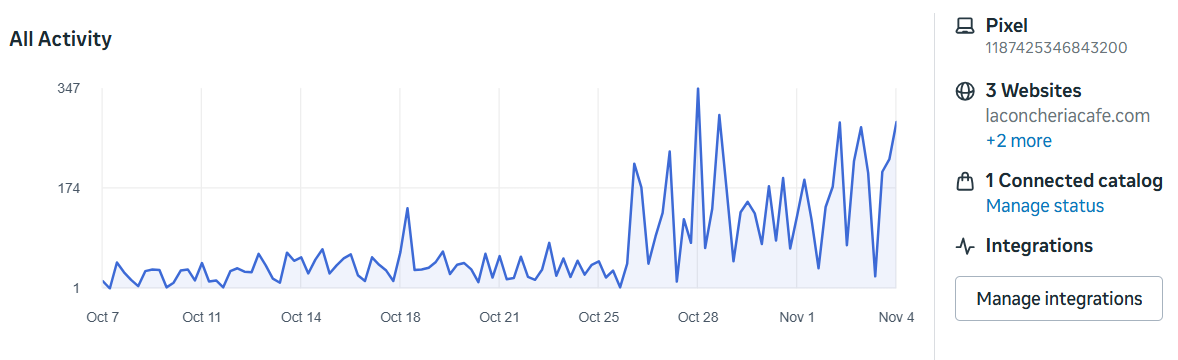
When a visitor interacts with your website, the pixel can send information about that interaction to the connected advertising platform. Imagine someone sees your Facebook advertisement for a product and they click the advertisement, visit your website, browse several products, and eventually make a purchase.
With proper tracking in place, Meta can receive all that data from that journey and hopefully connect the purchase to the advertisement. This helps advertisers understand which campaigns are generating meaningful results rather than simply attracting visitors.
Not only does this help advertisers, it also gives invaluable information to the platform to make better decisions for future ad placements. Meta, Google, TikTok and the others can use the data from past interactions to serve the ad to other people with similar behaviors, leading to better outcomes overtime. Without this feedback, the platforms will be stuck blindly guessing who to serve the ads to.
Why Are Marketing Pixels Important for Your Business?
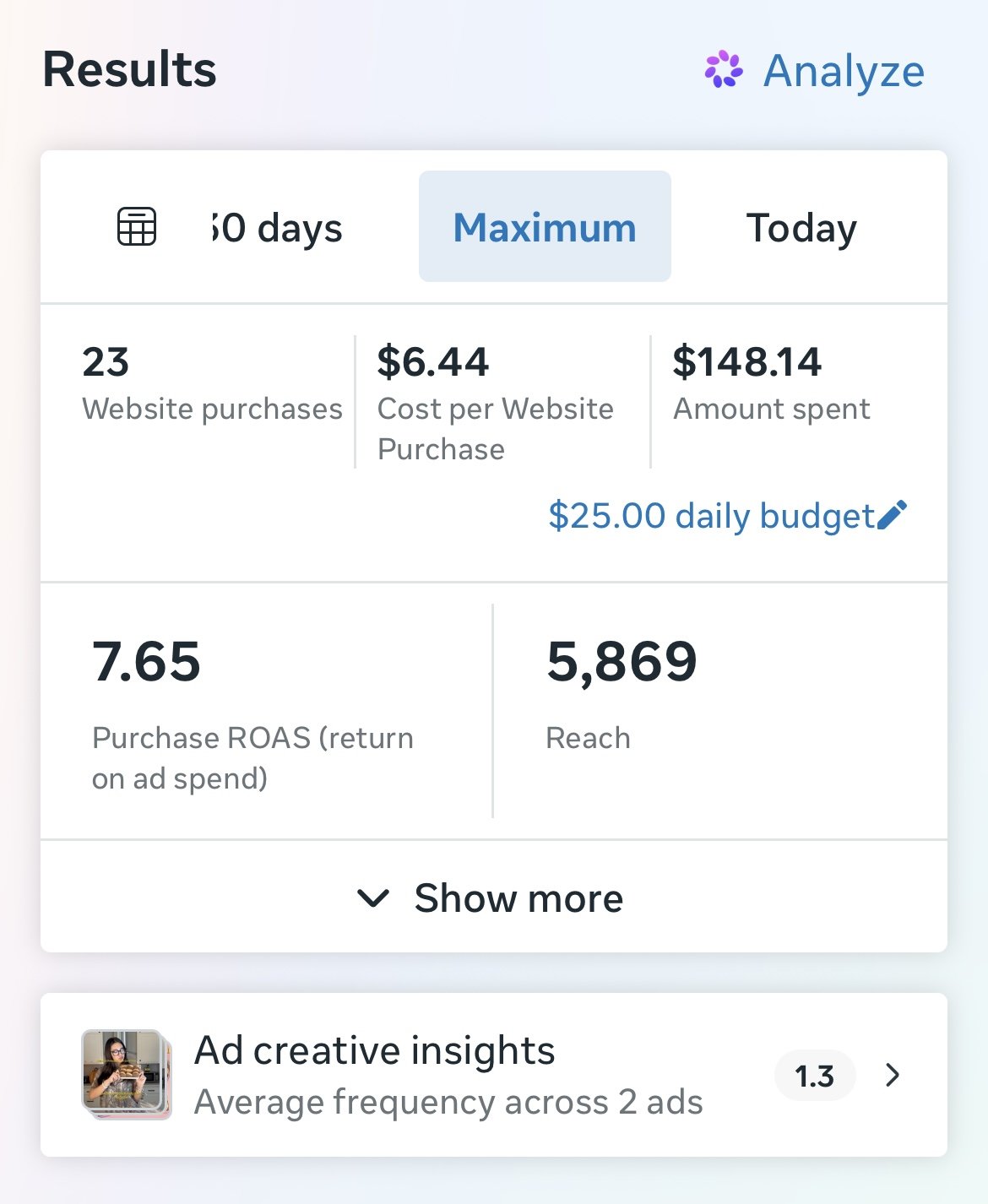
Without conversion tracking, businesses often judge advertising performance by impressions, clicks, and website visits. While these metrics can be useful, they don't actually tell you whether your advertising is generating revenue or other outcomes.
For example, one advertisement might attract 500 visitors without generating a single purchase, while another attracts only 100 visitors but generates 10 sales. Looking at clicks alone, the first advertisement might appear more successful. But when purchases are measured, the second advertisement could be significantly more valuable.
Marketing pixels help businesses distinguish between traffic and actual business results.
How Do Pixels Help Improve Advertising Performance?
One of the biggest advantages of marketing pixels is that advertising platforms can use conversion data to improve how campaigns are delivered. Platforms like Meta and Google use machine learning to identify patterns associated with valuable customer actions. When your website sends purchase events back to the advertising platform, those signals can help its systems find people who are more likely to complete similar actions.
For example, a campaign optimized for website traffic may prioritize people who are likely to click advertisements. A campaign optimized for purchases instead aims to reach people who are more likely to buy.
This is why properly configured conversion tracking is so important. It helps advertising platforms optimize toward business outcomes rather than clicks alone.
What Are the Different Types of Marketing Pixels?
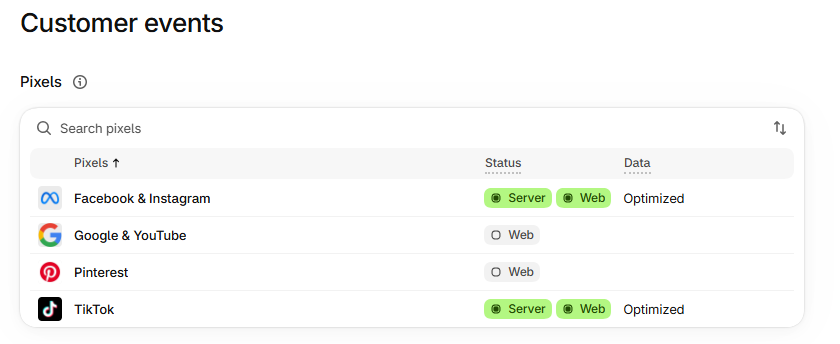
Different advertising platforms provide their own tracking technologies.
The Meta Pixel helps measure website activity associated with advertising on Facebook, Instagram and WhatsApp. The Google tag supports conversion measurement, and audience features across Google advertising products. The TikTok Pixel helps advertisers measure website conversions and optimize campaigns on TikTok. The Pinterest Tag provides similar functions for businesses advertising through Pinterest.
Businesses advertising across multiple platforms may use several of these technologies to measure performance across their campaigns. Each platform has its own reporting methods, so conversion numbers may not always match between dashboards.
What Is the Difference Between a Pixel and the Conversions API?
Traditional marketing pixels generally operate through a visitor's web browser. When someone performs an action, the browser sends an event to the advertising platform. However, browser restrictions, ad blockers, and privacy settings can limit what these pixels are able to measure.
A Conversions API, such as Meta's Conversions API, provides another method of sending eligible conversion events from a business's server or connected platform. For example, Shopify can integrate with Meta to support browser based and server side event tracking. When configured correctly, these methods can work together to improve measurement reliability and provide more complete conversion signals.
This doesn't mean every action can be tracked, and businesses still need to respect customer consent and applicable privacy requirements.
Are Marketing Pixels Safe? What About Customer Privacy?
Marketing pixels are widely used, but businesses should understand their responsibilities when collecting and sharing customer data. Depending on the website, location, and applicable laws, businesses may need to disclose tracking practices and obtain consent before activating certain technologies.
Platforms like Shopify offer customer privacy settings and consent-management features to help businesses manage tracking preferences. Businesses should also avoid sending sensitive personal information through tracking events unless specifically permitted and appropriately protected.
Responsible tracking means collecting useful information while respecting customer privacy.
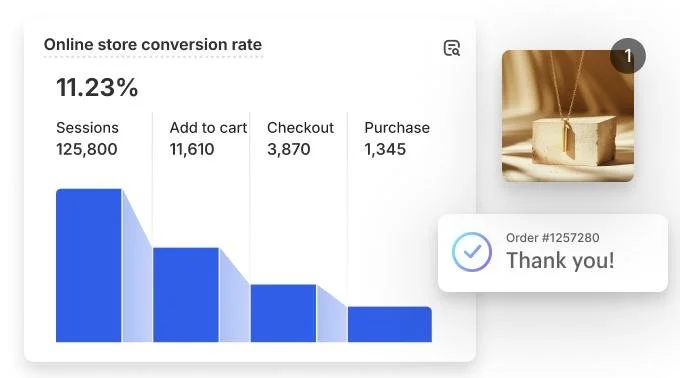
Stop Guessing. Start Measuring.
Advertising shouldn't be a guessing game. Understanding what customers do after clicking an advertisement can help businesses make better decisions, identify opportunities, and invest their marketing budgets more effectively.
Marketing pixels provide an important piece of that information, connecting website activity with advertising performance. At The Stahl Marketing, we help businesses build websites, implement conversion tracking, and develop advertising strategies focused on measurable results.
Whether you're launching your first advertising campaign or trying to improve an existing one, proper tracking is an important step toward smarter marketing.